Introduction
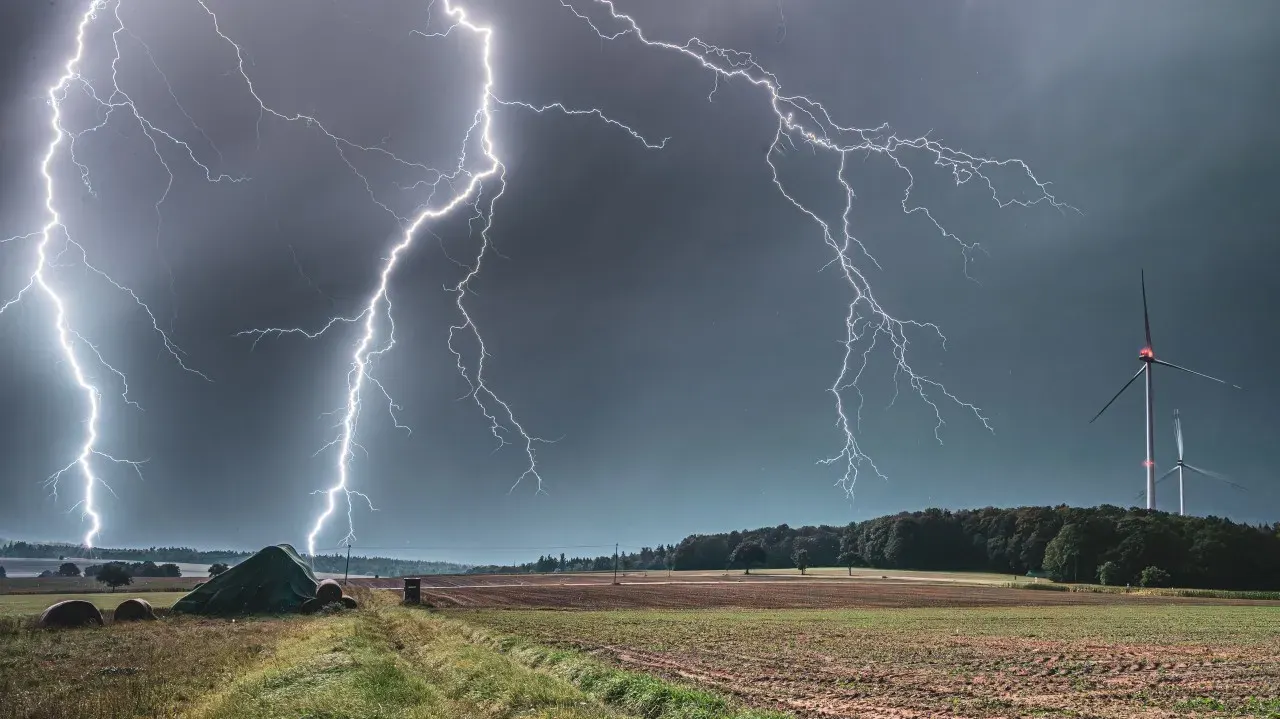
Climate change is increasingly becoming a business reality rather than a distant environmental concern. Extreme heat, floods, droughts, wildfires and changing weather patterns can affect company assets, operations, employees, energy requirements, supply chains and costs.
The financial consequences are becoming increasingly visible. In 2025, natural disasters caused around US$224 billion in global economic losses, with weather-related events accounting for 92% of the total. The Los Angeles wildfires alone generated approximately US$53 billion in losses. At the same time, the transition to a lower-carbon economy is changing technologies, markets, regulations and investment priorities.
For organizations, climate action therefore involves two connected questions: how can the business manage the risks arising from a changing climate, and how can it prepare for the transition to a lower-carbon economy?
The Situation: Climate Risk is Business Risk
Climate-related risks are becoming relevant to business decisions across sectors. Physical climate impacts can disrupt operations directly. Extreme heat can increase cooling and energy requirements; floods can damage facilities and infrastructure; drought can affect water availability; and extreme weather can interrupt logistics and suppliers.
Recent events demonstrate how these impacts can translate into business pressures. India's peak electricity demand reached 256.1 GW on 25 April 2026 amid intense heat, highlighting how rising temperatures can place additional pressure on energy systems and increase demand for cooling. Severe flooding in Nepal, meanwhile, disrupted around 431 MW of electricity-generation capacity, affecting approximately 10% of the country's generation capacity and forcing Nepal to halt electricity exports and import power.
But climate risk is not limited to physical events. The transition to a lower-carbon economy can create another set of risks. Changes in climate policy, carbon pricing, technology, energy systems, customer expectations and markets can affect the competitiveness of existing products, assets and business models. For example, the EU's Carbon Border Adjustment Mechanism entered its definitive regime in January 2026, creating carbon-related financial obligations for importers of covered goods and increasing the importance of embedded-emissions data across affected value chains. Climate change can therefore influence a company's physical resilience and its future competitiveness.
The Complication: From Climate Risk to Strategic Response
The challenge is that climate risks are complex and can affect an organization through multiple channels at different points in time. Physical risks may disrupt assets, operations or supply chains, while transition risks can alter technologies, regulations, energy systems, markets and customer expectations. These risks can also interact with one another, making it difficult to assess their overall implications for the business.
At the same time, organizations often face uncertainty about the scale and timing of future climate impacts. A facility may be exposed to increasing heat or flooding, while an investment made today may face changing regulatory or technological conditions over its lifetime. Decisions therefore need to account for both current exposure and possible future scenarios.
Another challenge is translating climate ambition into measurable action. Organizations may have broad emissions-reduction or net-zero commitments without sufficient clarity on their emissions profile, the most significant sources of emissions, the most feasible reduction opportunities or the investments required to achieve them.
This creates a gap between recognizing climate change as a strategic issue and being able to make informed decisions about how the organization should respond.
The Solution: Building a Credible Organizational Climate Response
A credible climate response requires organizations to move from understanding climate exposure to making informed decisions and implementing a long-term transition. This involves connecting climate risk assessment, emissions measurement, mitigation and adaptation, decarbonization and net-zero planning rather than treating them as separate activities.
First, assess climate-related risks and opportunities. Organizations need to identify the specific physical and transition risks that could affect their assets, operations, value chains and business models. This includes considering both acute and chronic physical risks, as well as changes in policy, technology, markets and customer expectations arising from the low-carbon transition. Climate scenario analysis can then be used to examine how different future climate and transition pathways could affect the organization and inform strategic decisions.
Second, establish a robust greenhouse gas baseline. Organizations need to understand where their emissions originate across Scope 1, Scope 2 and relevant Scope 3 categories. Applying consistent GHG accounting principles provides the basis for identifying major emissions sources, establishing baselines and determining where reductions can have the greatest impact. The emissions inventory should serve not only measurement and reporting needs, but also climate strategy and decision-making.
Third, develop an integrated response through mitigation and adaptation. Mitigation focuses on reducing emissions through measures such as energy efficiency, electrification, renewable energy, process optimization and low-carbon technologies. Adaptation focuses on reducing vulnerability to physical climate impacts through resilient infrastructure, business continuity and climate preparedness. Organizations need to determine the appropriate balance based on their exposure, risks and business priorities.
Fourth, translate climate ambition into a practical decarbonization and net-zero pathway. Organizations can identify and prioritize decarbonization levers across their operations and value chains, including renewable energy, electrification, efficiency, process improvements, supplier engagement and emerging low-carbon technologies. These actions need to be translated into roadmaps with timelines, milestones, investment requirements and mechanisms to monitor implementation.
For organizations pursuing net zero, this pathway needs to go beyond a long-term target. Science-based targets should be translated into strategic actions, with transition plans aligned with business strategy, capital allocation and investment planning, supported by clear governance and accountability. Progress needs to be monitored against emissions and transition milestones, with assumptions and plans reviewed as circumstances evolve.
The result is a shift from climate commitments to climate management—where climate risks inform decisions, emissions data guides priorities, resilience measures protect the business, and decarbonization becomes part of the organization's long-term strategy.
Edify Advisory helps organizations build the practical climate capability required to move through this journey. Its learning approach takes participants from climate science and impacts through climate risk and scenario analysis, GHG accounting, mitigation and adaptation, decarbonization and net-zero transition planning.
Rather than treating these as isolated technical subjects, the learning journey connects them into an organizational process: climate impacts → risks and opportunities → emissions baseline → mitigation and adaptation → decarbonization levers → transition pathway → net-zero planning.
Through practical application, participants work with organizational scenarios to identify climate risks, assess emissions, prioritize mitigation and adaptation measures, develop decarbonization roadmaps and consider appropriate targets and transition milestones.
The objective is to move beyond climate awareness and equip organizations with the knowledge, frameworks and practical thinking needed to turn climate challenges into informed business action.
Bibliography
- https://www.munichre.com/content/dam/munichre/mrwebsiteslaunches/natcat-2026/MunichRe-Mediarelease2026-NatCat2025.pdf
- www.pib.gov.in (Press Information Bureau, Government of India, press release)
- https://www.reuters.com/business/energy/deadly-floods-test-nepals-hydropower-ambitions-2026-09-01/
- https://taxation-customs.ec.europa.eu/carbon-border-adjustment-mechanism/cbam-definitive-regime_en
Originally published on LinkedIn · Cover image: Ali Akdemir via Pexels